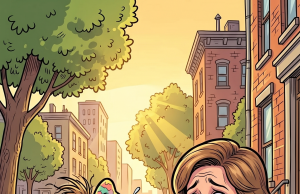
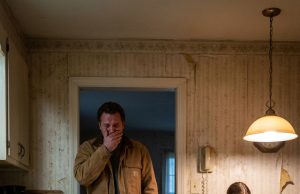
My name is Clara Whitmore. I was thirty-seven years old, and I had been married to Daniel Whitmore for twelve years.
In our Oakridge neighborhood, Daniel was known as a dependable engineer, respected and admired. From the outside, our life looked steady—almost dull in its predictability. Nothing hinted at how quickly everything would unravel on one quiet Saturday afternoon.
I came home from work earlier than usual that day. The house was unusually still—not alarming, just strange. I set my bag down, slipped off my shoes, and was about to call out when I heard it: the steady rush of running water coming from the master bathroom.
As I walked closer, I noticed two shadows beneath the bathroom door. Then came a woman’s laughter, soft and unmistakable. My entire body went numb. I opened the door without making a sound.
Inside, Daniel and Emily Foster, our next-door neighbor, stood naked, wrapped around each other beside the shower. Steam filled the room. Time seemed to freeze. None of us spoke. I didn’t scream. I didn’t cry. I didn’t ask a single question.
Instead, I stepped back, closed the door carefully from the outside, and turned the lock. The click echoed sharply. I walked into the kitchen, shut off the main water valve, then returned to the hallway.
Almost immediately, the pounding began. Daniel’s voice broke through the door.
“Clara, please—open it. It was a mistake!”
Emily sobbed, saying the water was freezing, that she couldn’t breathe.
I inhaled deeply and reached for my phone. There was one number I knew by heart: Michael Foster, Emily’s husband. A kind man. Helpful. Trusting.
When he answered, I spoke evenly.
“Hi, Michael. I’m sorry to call like this, but there’s a serious plumbing issue at my place. The bathroom is flooding, and I think you’re the only one who can help right now.”
I ended the call before he could respond.
Then I sat on the couch and stared at the clock. Each minute dragged on endlessly. From behind the bathroom door came shouting, promises, anger, desperation. I didn’t move. I listened. Lies tangled themselves into knots on the other side of that door.
The doorbell finally rang.
I stood, already knowing that life as I knew it had ended.
Michael was there, toolbox in hand, concern etched across his face.
“Where’s the problem?” he asked.
“In the bathroom,” I said quietly. “I’d appreciate it if you handled it yourself.”
We walked down the hall. The banging grew louder. Michael stopped abruptly when he recognized his wife’s voice. He looked at me, confused. I said nothing—only pointed at the door.
He understood before unlocking it. His hand hesitated on the key, as though he wanted to postpone what was coming.
When the door opened, the truth spilled out.
Emily crumpled to the floor, clutching a towel, crying uncontrollably. Daniel tried to speak—tried to explain, to defend the indefensible. Michael didn’t raise his voice. His silence was devastating.
He shut off the remaining water, placed his toolbox down, and looked at Emily with heartbreak and revulsion intertwined.
“Leave,” he said. “Now.”
Emily left without meeting my eyes. Daniel took a step toward me. I lifted my hand.
“Don’t,” I said. “You’ve lost that right.”
Michael and I sat together in the kitchen afterward—two people bound by the same betrayal. We spoke little, but enough. Deleted messages. Excuses. Late nights. Inconsistent stories. It all made sense.
That night, Daniel packed a bag and went to a hotel. Michael did the same.
The days that followed were practical and quiet: attorneys, bank accounts, careful explanations to friends and family. There were no public scenes. The truth didn’t need noise—it stood on its own.

As weeks passed, I reclaimed something I thought I had lost: my dignity. I didn’t celebrate anyone’s pain, but I refused to carry guilt that wasn’t mine. I realized that my silence that day wasn’t weakness—it was control. I chose the moment the truth would surface.
Michael and I never crossed paths again after finalizing paperwork. We moved on separately. The house grew quieter—but also more honest.
A year later, my life looks different. Not flawless—but fully mine. I sold the Oakridge house and moved into a small downtown apartment. I returned to school, changed careers, and most importantly, changed how I viewed myself. The betrayal did not define me. My response did.
People sometimes ask how I stayed so calm. It wasn’t bravery or strategy. It was exhaustion—the kind that comes from doubting your instincts, defending the indefensible, protecting an illusion already shattered. When I closed that bathroom door, I closed a chapter of my life.
I didn’t seek revenge or public shame. I chose truth. And truth arrived—quietly, completely.
Daniel tried to return months later, armed with rehearsed apologies and empty promises. I wished him well and closed the door—this time without locking it.
Emily never reached out. Michael sent one brief message wishing me peace. That was enough.
Today, I share this story without bitterness, but with certainty. Many people believe betrayal leaves only two choices: explode or endure. I learned there is a third path—to act with clarity, protect your dignity, and let facts speak louder than rage.
If this story resonated with you—if you’ve faced betrayal or are unsure how to respond—share your experience. Your voice may help someone feel less alone.
Tell me what you would have done in my place. Do you believe silence, when chosen deliberately, can be more powerful than any scream?
Because sometimes, the quietest decisions are the ones that change a life forever.